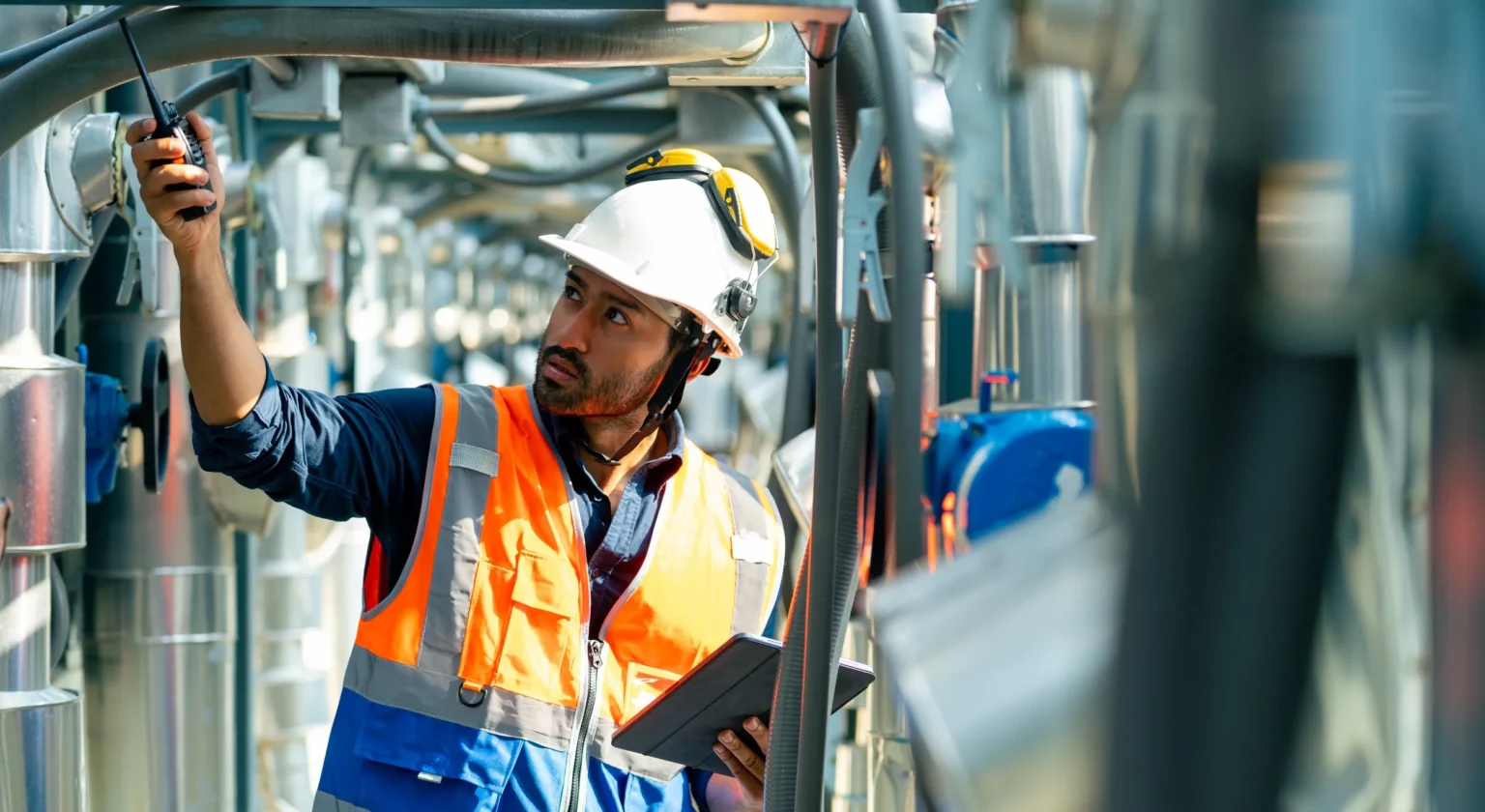

Business/Construction and Maintenance is one of the most important industries in the world today, and it shapes the buildings, roads, homes, and workplaces we use every single day. Because cities keep growing, and because buildings need constant care, Business/Construction and Maintenance continues to create jobs, support families, and drive economic growth. In this guide, you will learn how this industry works, why it matters, and how smart planning, skilled workers, and strong leadership help companies succeed in this powerful field.
What Is Business/Construction and Maintenance
Business/Construction and Maintenance refers to companies that build new structures and also take care of existing ones, so buildings stay safe, clean, and strong over time. While construction focuses on creating homes, offices, bridges, and schools, maintenance ensures these structures continue to work properly for many years. Because both parts depend on each other, the industry connects planning, design, labor, safety, and long-term service into one complete system.
Why Business/Construction and Maintenance Is Important
Business/Construction and Maintenance supports daily life, and therefore it plays a key role in every community. When workers build hospitals, people receive medical care in safe spaces. When teams maintain roads, drivers travel without danger. In addition, when companies repair buildings, families and employees feel secure and comfortable. As a result, the industry improves safety, supports the economy, and creates long-lasting value.
The Construction Side of Business/Construction and Maintenance
The construction side of Business/Construction and Maintenance involves planning, designing, and building structures from the ground up. First, architects create drawings, and then engineers test the safety of those designs. After that, skilled workers such as carpenters, electricians, and plumbers turn those plans into real buildings. Because each step connects closely to the next, teamwork and clear communication are essential for success.
The Maintenance Side of Business/Construction and Maintenance
The maintenance side of Business/Construction and Maintenance focuses on keeping buildings and equipment in good condition. For example, technicians repair heating systems, fix leaking pipes, and repaint walls when they wear out. Furthermore, regular inspections prevent bigger problems from happening later. Therefore, maintenance saves money and protects people from sudden accidents.
Types of Services in Business/Construction and Maintenance
Business/Construction and Maintenance includes many different services, and each one serves a special purpose. Residential construction builds houses and apartments, while commercial construction creates offices and shopping centers. Industrial construction supports factories and warehouses. At the same time, maintenance services include cleaning, electrical repair, plumbing work, roofing, landscaping, and equipment servicing. Because clients have different needs, companies often specialize in one area or offer a wide range of services.
Skills Needed in Business/Construction and Maintenance
Workers in Business/Construction and Maintenance need strong skills, and they must also continue learning over time. Physical strength helps with lifting materials, yet technical knowledge ensures safe installation of systems. In addition, communication skills help teams work together smoothly. Because safety is always important, workers must follow rules carefully and use protective equipment every day.
Tools and Technology in Business/Construction and Maintenance
Modern Business/Construction and Maintenance uses advanced tools and smart technology, and this change improves speed and quality. For example, companies now use computer software to design buildings in 3D before construction begins. Drones inspect rooftops, while digital sensors monitor building performance. As technology grows, companies that adopt new tools stay competitive and efficient.
Safety in Business/Construction and Maintenance
Safety remains one of the top priorities in Business/Construction and Maintenance, because the work often involves heavy equipment and high places. Therefore, companies train workers to wear helmets, gloves, and protective gear. In addition, managers create safety plans and conduct regular inspections. When everyone follows safety rules, accidents decrease and productivity improves.
Starting a Business in Business/Construction and Maintenance
Starting a company in Business/Construction and Maintenance requires careful planning and strong commitment. First, you must create a clear business plan that outlines services, target customers, and financial goals. Then, you need proper licenses and insurance to operate legally. Because trust matters greatly in this field, building a good reputation through quality work becomes essential for long-term success.
Marketing Strategies for Business/Construction and Maintenance
Marketing plays a major role in Business/Construction and Maintenance, especially in competitive markets. For instance, companies can create websites that show past projects and customer reviews. Social media platforms help share updates and photos of completed work. Moreover, word-of-mouth referrals often bring loyal customers. When businesses combine online marketing with excellent service, growth becomes steady and reliable.
Managing Projects in Business/Construction and Maintenance
Project management is critical in Business/Construction and Maintenance, because delays can increase costs quickly. Managers plan timelines, assign tasks, and track budgets carefully. Meanwhile, they communicate with clients to provide updates and solve problems early. Because strong organization prevents confusion, successful companies use clear schedules and modern project management software.
Financial Planning in Business/Construction and Maintenance
Financial planning ensures stability in Business/Construction and Maintenance, since projects often require large investments. Companies must budget for materials, labor, equipment, and unexpected costs. In addition, they should track cash flow to avoid shortages. When leaders monitor expenses closely and plan for risks, the business stays healthy and prepared for growth.
Environmental Responsibility in Business/Construction and Maintenance
Today, environmental responsibility matters more than ever in Business/Construction and Maintenance, and customers often prefer eco-friendly companies. For example, builders can use sustainable materials and energy-efficient designs. Maintenance teams can reduce waste by recycling materials properly. As a result, companies protect the environment while also attracting modern clients.
Challenges in Business/Construction and Maintenance
Although Business/Construction and Maintenance offers many opportunities, it also presents challenges. Labor shortages sometimes slow down projects. Rising material costs can reduce profit margins. Weather conditions may delay construction work. However, companies that plan ahead, train workers, and manage resources wisely can overcome these obstacles successfully.
Future Trends in Business/Construction and Maintenance
The future of Business/Construction and Maintenance looks promising, especially as cities expand and technology advances. Smart buildings use sensors to track energy use and improve efficiency. Green construction methods reduce pollution and save energy. Additionally, automation tools may support workers in complex tasks. Therefore, businesses that adapt to change will thrive in the coming years.
Customer Service in Business/Construction and Maintenance
Customer service remains essential in Business/Construction and Maintenance, because satisfied clients often return for more work. Clear communication builds trust, and honest pricing prevents misunderstandings. Furthermore, quick responses to maintenance requests show professionalism. When customers feel valued, they recommend the company to others.
Training and Education in Business/Construction and Maintenance
Education supports growth in Business/Construction and Maintenance, and workers benefit from continuous learning. Trade schools teach practical skills, while apprenticeships provide hands-on experience. In addition, safety training ensures proper procedures on job sites. Because knowledge improves quality, companies that invest in training often outperform competitors.
Building Long-Term Success in Business/Construction and Maintenance
Long-term success in Business/Construction and Maintenance depends on quality work, strong leadership, and constant improvement. Companies must deliver projects on time and maintain high standards. At the same time, leaders should motivate teams and encourage teamwork. When businesses focus on trust, safety, and innovation, they build lasting success.
Read more: Heutehamburg – сучасні новини Гамбурга очима сьогодення
Conclusion: The Power of Business/Construction and Maintenance
Business/Construction and Maintenance shapes the world around us, and it continues to grow as communities expand. Because it combines creativity, skill, and responsibility, this industry offers exciting opportunities for workers and entrepreneurs alike. While challenges may appear, strong planning and smart management lead to steady growth. In the end, Business/Construction and Maintenance stands as a foundation of modern life, supporting homes, businesses, and entire cities every single day.